

Commercial Solar Installations
Why Are My Solar Panels Not Working? Common Faults Explained
If your solar panels have stopped generating electricity—or are producing less than expected—it’s completely understandable to feel concerned. The good news is that many common issues have simple explanations, and in some cases, quick checks you can carry out yourself before calling a solar engineer.
This guide walks you through practical troubleshooting steps, then explores the most common solar system faults, what causes them, and when it’s time to bring in a professional. If you already know you need help, jump straight to our solar panel servicing and repair page.
Start Here: Simple Checks You Can Do First
Before assuming the worst, run through these basic checks. They can often identify (or even solve) the problem.
1.
Check the Inverter Display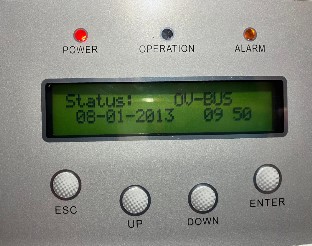
Your inverter is the “brain” of the system. It should normally show a green light or a generation reading.
- No display at all? It may not be receiving power.
- Red light or error message? This usually indicates a fault.
→ Look up the error code in your inverter manual or visit our solar inverter repair guide.
2. Check Your Fuse Board (Consumer Unit)
A very common issue is a tripped breaker.
- Locate your fuse board
- Look for the solar MCB (miniature circuit breaker)
- If it’s tripped (switched off), turn it back on
If the system comes back to life, monitor it over the next few days. If it trips again, you’ll need to call an engineer.
3.
Check the Generation Meter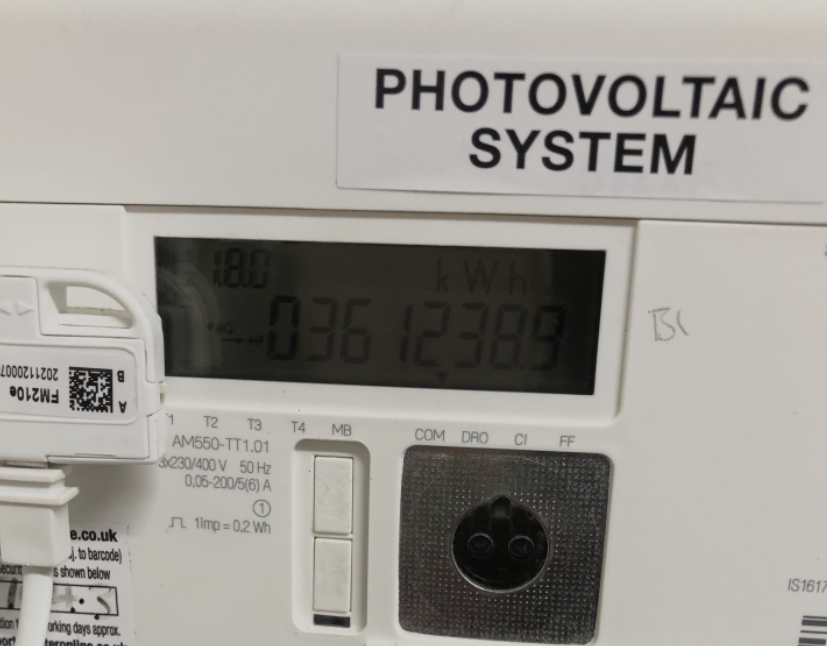
If your generation meter is blank:
- Check if power is reaching it (again, via the fuse board)
- If power is present but the screen is still blank, the meter may have failed
⚠️ A faulty meter must be replaced by a qualified PV engineer. If you’re on a Feed-in Tariff (FiT), notify your provider and take clear photos of both the old and new meter, including serial numbers.
4. Look for Obvious External Issues
Without climbing onto the roof:
- Check for heavy dirt, leaves, or bird droppings
- Look for visible damage after storms
- Notice any new shading (trees, scaffolding, nearby construction)
Troubleshooting Flowchart (Quick Decision Guide)
To help you determine what the fault in your system might be we have created a handy flow chart to help you, click here to download it. If you prefer someone else to run these checks, book a solar panel service visit and we’ll go through the system end to end.
Common Fault Scenarios Explained
1. Total System Failure (No Generation at All)
Symptoms:
- Inverter is off or blank
- No generation readings
- Meter not moving
Likely causes:
- Tripped breaker or power supply issue
- Inverter failure
- Loose or faulty electrical connection
What you can do:
- Check fuse board
- Read inverter manual and try a safe restart if recommended
When to call an engineer:
- If the inverter won’t power on, our team can diagnose and replace failed inverters
- If the issue returns after resetting, book a full system inspection
2.
Inverter Errors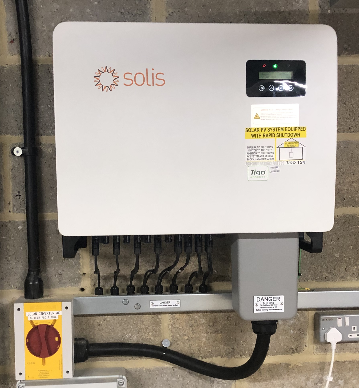
Symptoms:
- Error codes displayed
- Red or flashing warning lights
Likely causes:
- Grid faults (temporary)
- Internal inverter issues
- DC input problems
What you can do:
- Look up the error code in the manual
- Read inverter manual and try a safe restart if recommended (turn off, wait, restart)
When to call an engineer:
- If the error persists
- If the inverter repeatedly shuts down
→ For more detailed help, see our solar inverter repair guidance.
3. System Producing Less Than Before
Symptoms:
- Lower-than-expected energy output
- Gradual or sudden drop in performance
Likely causes:
- Shading (even partial shading affects entire panel strings)
- Fault in one string of panels
- Damaged or degraded panel
Because panels are usually wired in series (like Christmas lights), one underperforming panel can reduce the output of the whole string.
What you can do:
- Check for shading (trees, dirt, debris)
- Compare output with similar days in previous years
When to call an engineer:
- If no visible shading or dirt is present, book a string-level performance diagnostic
- If output has dropped significantly
4. Intermittent Issues (Works Sometimes, Not Others)
Symptoms:
- System cuts in and out
- Output fluctuates unexpectedly
Likely causes:
- Loose connections
- Faulty DC isolator
- Grid fluctuations
What you can do:
- Note patterns (time of day, weather conditions)
When to call an engineer:
- Always—intermittent faults can worsen over time. A qualified solar engineer can trace them before they become system-wide failures.

Meet Dave, our solar PV QS
Dave is our highly qualified Quality Supervisor (QS) and has supervised our solar PV engineers for over 16 years, ensuring everything runs smoothly, efficiently, and (most importantly) without any unexpected shocks! With laser-focused attention to detail and a knack for solving even the trickiest problems, he’s basically the Sherlock Holmes of solar power.
Outside of work, Dave has a passion for music production and an ever-growing collection of synthesisers. When he's not fine-tuning solar systems or creating new sounds, you might find him ice skating—because why have just one technical skill when you can have three?
Common Underlying Problems
Failed Inverter
Inverters typically last 10–15 years.
- If your system is older, this is one of the most likely faults—see our solar inverter repair and replacement service
- Domestic inverters are usually replaced rather than repaired
Failed Generation Meter
Although rare, meters can fail.
- Must be replaced with a FiT-approved meter
- Your energy supplier must be informed
DC Faults (Cabling & Connections)
These occur in the wiring between panels and inverter. Common causes include:
1. Pest Damage
- Birds, squirrels, and rodents can chew cables
- Often requires pest control plus specialist solar repair
- Preventative mesh is recommended
2. Damaged Panels
- Caused by storms, falling debris, or manufacturing faults
- Even one damaged panel can reduce output significantly
3. DC Isolator Issues
- Can fail due to corrosion or loose connections
- Sometimes built into the inverter, sometimes separate
⚠️ These are not DIY fixes—always require a qualified solar engineer.
Shading Issues
Shading is one of the most underestimated problems.
- Even a small shadow can impact the whole system
- Seasonal changes (sun angle in winter) can worsen shading
UK Seasonal & Weather Considerations
In the UK, solar performance varies naturally:
- Winter: Lower output due to shorter days and weaker sunlight
- Autumn: Leaves and debris can accumulate
- Spring/Summer: Peak generation—but shading from growing trees can increase
After storms, always check for:
- Panel damage
- Debris buildup
- System faults (a post-storm solar inspection is worth booking if anything looks off)
When Should You Call a Professional?
You should contact a solar engineer if:
- The inverter shows persistent errors
- The system produces no power after basic checks
- Output has dropped significantly without clear cause
- You suspect wiring, panel, or isolator faults
- The system repeatedly trips your fuse board
Avoid attempting any electrical or roof-based repairs yourself—these systems operate at high voltages and require specialist knowledge.
Solar Panel Repair Near You
Rayotec services and repairs solar PV systems across the South East, regardless of who installed them. Find your local service area:
Frequently Asked Questions
What our customers most commonly ask us about our Solar systems not working
Final Thoughts
If your solar panels aren’t working, it doesn’t necessarily mean a major failure. Many issues can be identified with simple checks, and some can be resolved quickly. However, if the problem isn’t obvious—or involves electrical components—it’s always best to bring in a


