

Solar Panel Servicing Checklist: A Practical Guide to System Care
Keeping a solar PV system performing safely and efficiently isn’t a one-time task—it’s an ongoing process guided by the MCS (Microgeneration Certification Scheme) standards (MCS 025 & MIS 3002) as well as the IET Code of Practice for Grid Connected Solar PV. These standards outline the checks required to protect system performance, ensure electrical safety, and maintain compliance over time.
This page walks you through the key elements of the MCS checklist, explaining what should be handled by yourself / onsite team and what requires a qualified solar specialist.
Why Ongoing System Checks Matter
Solar PV systems are designed to operate reliably for decades, but they are still exposed to environmental stress, electrical wear, and gradual degradation.
Regular inspections help to:
- Maintain expected energy output
- Identify faults before they become costly failures
- Ensure electrical safety and compliance
- Protect warranties and insurance requirements
Without a structured approach, small issues—like loose connections or dirt buildup—can quietly reduce performance or create safety risks. A structured solar panel servicing plan keeps everything in check.
Two Levels of Responsibility
The MCS framework separates tasks into two categories:
1. Onsite Visual & Operational Checks
Handled by homeowner, facilities teams or trained onsite staff.
2. Specialist Technical Inspections
Carried out by a qualified solar panel service engineer or MCS-certified company.
Both are essential. One ensures frequent oversight; the other provides deeper technical assurance.
Onsite Checks by Customer (Routine Oversight)
These checks are simple, non-invasive, and can be performed regularly without specialist tools.
 We have created a simple checklist to help you monitor your system. Download our customer solar PV checklist here
Visual Condition of Panels

- Look for cracks, chips, or discoloration
- Check for excessive dirt, bird droppings, or shading
- Ensure no new obstructions that could cause shading (e.g., tree growth, debris)
Mounting & Structural Stability
- Confirm panels appear securely fixed
- Look for signs of movement, corrosion, or loose components
Inverter Status
- Check display screens for warnings or fault codes
- Confirm system is generating during daylight hours
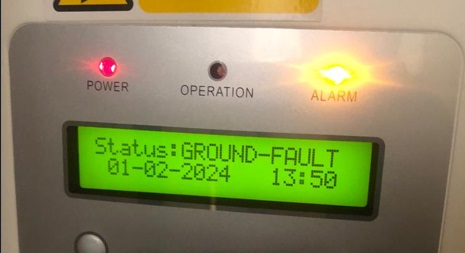
Persistent faults usually point to inverter repair or replacement.
Cabling (Visible Sections)
- Look for obvious damage, wear, or exposed wiring
- Ensure cables are secure and not under tension
Generation Monitoring
- Compare output against expected performance (look at your MCS certificate for the predicted annual output of the system)
- Flag sudden drops or irregular patterns
Frequency: Monthly for commercial & industrial buildings, six-monthly for public buildings (e.g. school, hospital) and annually for domestic properties, depending on site conditions and system size.
| Check | What to Look For | Signs of a Problem |
|---|---|---|
| Panels Clean & Unshaded |
No heavy dirt, leaves, or bird droppings.
No new shading from trees, buildings, or debris. |
Thick dirt, leaf build-up, or new shading causing output drop. |
| Panels Undamaged |
No cracks, chips, or burn marks.
No sign of delamination or water ingress. |
Cracks, discolouration, or visible damage. |
| Inverter Normal (No Faults) |
No warning lights or error messages.
Display shows normal operation during daylight. |
Blank screen, error codes, or red light. |
| Cables (Visible) Intact |
No frayed, cut, or exposed wires.
No loose or hanging cables. |
Loose, exposed, or corroded cabling. |
| Generation Looks Normal |
Output roughly in line with season and weather.
No sudden unexplained drop in performance. |
Persistent underperformance. |

Meet Dave, our solar PV QS
Dave is our highly qualified Quality Supervisor (QS) and has supervised our solar PV engineers for over 16 years, ensuring everything runs smoothly, efficiently, and (most importantly) without any unexpected shocks! With laser-focused attention to detail and a knack for solving even the trickiest problems, he’s basically the Sherlock Holmes of solar power.
Outside of work, Dave has a passion for music production and an ever-growing collection of synthesisers. When he's not fine-tuning solar systems or creating new sounds, you might find him ice skating—because why have just one technical skill when you can have three?
Specialist Solar Company Checks (Technical Assurance)
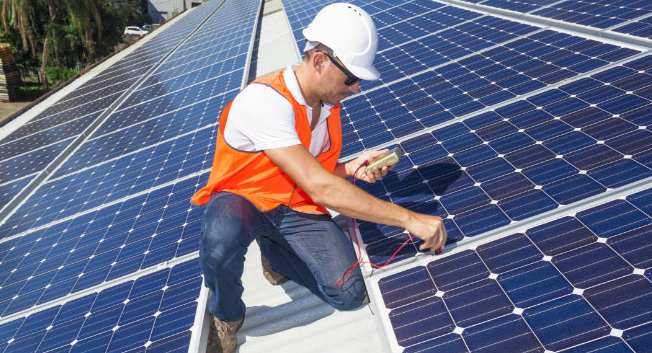
These inspections require an experienced, qualified PV engineer and are typically conducted annually or at defined intervals as part of a structured solar servicing programme.
Electrical Testing
- Verification of insulation resistance
- Continuity and polarity checks
- Earth fault detection
Inverter Performance Analysis
- Firmware updates and configuration review
- Fault history diagnostics
- Suitability of locations of the inverter (protection from weather, suitable ventilation etc)
If an inverter has failed outright, our solar inverter repair and replacement service covers diagnosis, replacement and recommissioning.
DC & AC System Integrity
- Testing of string performance
- Inspecting the DC and AC isolators
- Voltage and current measurements
- Identification of imbalance or degradation
Thermal Imaging (Where Applicable)
- Detection of hotspots in panels or connections
- Early identification of failing components
Mounting System Inspection
- Detailed structural assessment
- Torque checks on fixings
- Corrosion evaluation
Compliance Review
- Confirmation system aligns with current MCS and electrical standards
- Documentation updates and reporting
Frequency: Typically annually, or as specified by warranty/provider agreements.
The Importance of Combining Both Approaches
Relying on only one level of inspection leaves gaps:
- Onsite teams provide frequent visibility and can quickly flag issues
- Specialists deliver deeper diagnostics and ensure compliance. See our full solar panel servicing and repair service for what a specialist visit covers.
Together, they create a complete picture—catching both obvious and hidden problems.
| Check Area | Homeowner (Visual / Basic Checks) | PV Specialist (Technical / Advanced Checks) |
|---|---|---|
| Panels – Cleanliness & Shading | Check for dirt, leaves, bird droppings, or new shading from trees/buildings | Compare actual with predicted annual generation to see impact |
| Panels – Physical Condition | Look for visible cracks, chips, burn marks, or signs of water ingress | Perform detailed inspection |
| Mounting System | Visually confirm panels appear secure and not loose or misaligned | Inspect mounting integrity, torque settings, roof fixings (subject to access) |
| Inverter Status | Check display shows normal operation; no warning lights or error messages | Diagnose fault codes, test inverter performance, firmware checks, electrical testing |
| Cables (Visible) | Look for obvious damage: fraying, cuts, exposed wires, loose or hanging cables | Full electrical inspection: insulation resistance testing, continuity testing, connection integrity |
| System Performance (Generation) | Compare output roughly with expected levels for season/weather; watch for sudden drops | Analyse system data and fault diagnostics |
| Safety Indicators | Notice signs like burning smells, overheating marks, or unstable panels | Conduct full safety testing (earthing, isolation, compliance with electrical standards) |
| When to Escalate | Contact a professional if: inverter errors persist, generation drops, or visible damage occurs | Identify root cause, repair faults, replace components, certify system safety |
What Happens Without Regular Checks?
Neglecting structured oversight can lead to:
- Reduced energy generation over time
- Undetected electrical faults
- Increased risk of component failure
- Invalidated warranties
- Failed insurance claims
- Safety hazards for people and property
Building a Reliable System Care Plan
A well-managed solar PV system should include:
- A clear schedule of onsite inspections
- Annual specialist assessments, ideally on a solar servicing contract
- Performance monitoring with alert thresholds
- Proper documentation and reporting
This approach not only protects your investment—it ensures your system continues delivering clean energy as expected.
Solar Panel Service Near Me?
If you’re unsure whether your current process aligns with MCS standards, Rayotec can review and service your system, identify gaps, and implement a structured inspection plan.
We cover domestic and commercial solar installations across the South East. Find your local service area:
- Solar panel servicing in London
- Solar panel servicing in Surrey
- Solar panel servicing in Berkshire
- Solar panel servicing in Hampshire
- Solar panel servicing in Sussex
Not in the list? Get in touch and we’ll let you know what we can cover.
Frequently Asked Questions
What our customers most commonly ask us about our Solar services


